How to Plan Your Katmai Bear Viewing Adventure (2026 Edition)
A comprehensive planning guide for Brooks Falls, bear season, booking timelines, and your Fly Katmai experience.
Planning a trip to Katmai National Park is one of the most unforgettable ways to experience Alaska. Watching brown bears fish for salmon at Brooks Falls, flying over volcanic landscapes, and spending a day immersed in one of the world's wildest places is an experience many people describe as life-changing. However, because this destination is both unique and extremely popular, planning makes all the difference.
This guide walks you through when to book, what to expect, how to prepare, and how to make the most of your day.
When to Book Your 2026 Katmai Trip
If there’s one thing every traveler should know, it’s this: book early. Brooks Falls is one of the world’s most sought-after bear-viewing destinations, and prime summer dates fill quickly. Most travelers begin planning their trip in the fall or winter, typically 6–12 months in advance.
The annual booking schedule opens in late January and early February, and peak dates—those with the strongest salmon runs—often fill up within days. Travelers seeking more flexibility or fewer crowds often opt for June or September, which still offer exceptional viewing.
To browse real-time availability and secure your preferred date, visit our booking page.
Getting to Katmai National Park
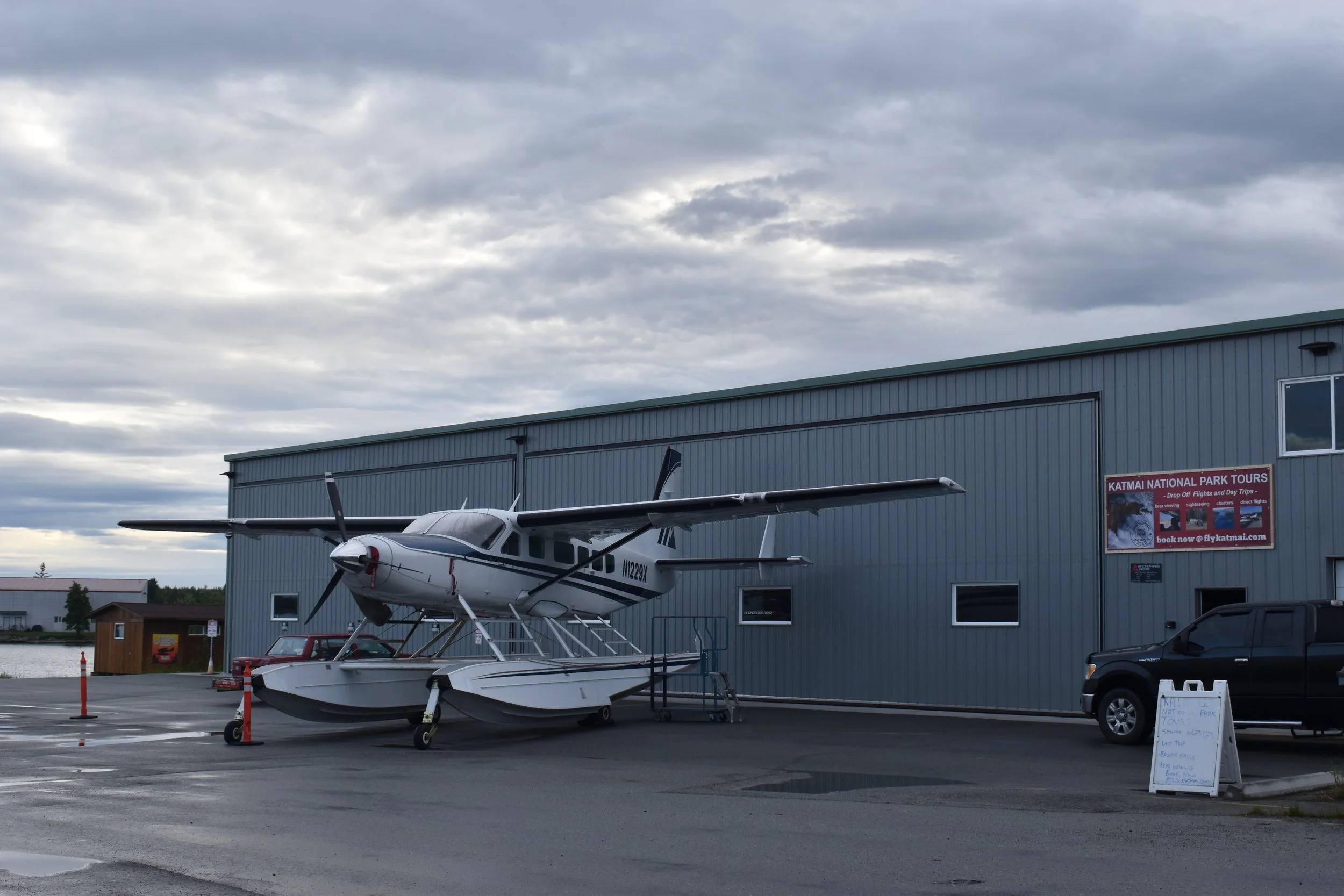
Your trip begins in Anchorage, the departure point for our Brooks Falls fly-out tours. Flights leave from Lake Hood Seaplane Base, located beside Ted Stevens Anchorage International Airport.
Most guests arrive via taxi or rideshare, although a few opt to return rental cars to the airport and walk to the seaplane base. If you’re staying in a nearby hotel, a quick ride from the airport area makes for a smooth start to the morning.
Where to Stay in Anchorage Before Your Flight
To ensure a relaxed and timely check-in at Lake Hood, we strongly recommend arriving in Anchorage the day before your trip. Lodging near the airport is convenient for early departures, while Midtown and Downtown offer a range of dining, shopping, and walkable amenities.
Safety & Wildlife Etiquette at Brooks Falls
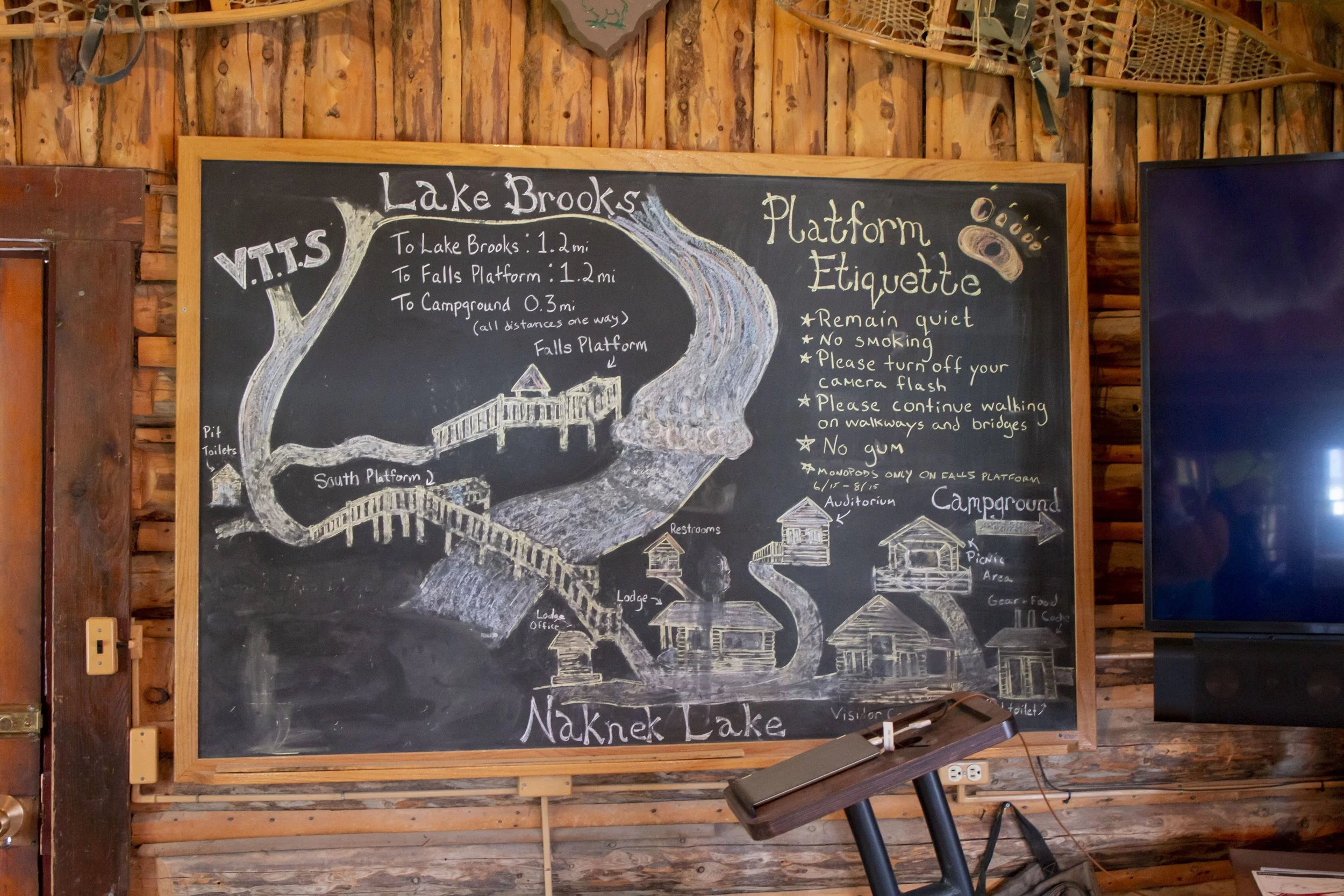
Katmai is home to roughly 2,200 brown bears, and Brooks Falls offers some of the closest—but safest—bear viewing opportunities in the world. To protect both visitors and wildlife, the National Park Service requires all guests to attend a Bear Orientation upon arrival.
During this brief session, rangers explain how to navigate the viewing areas, what to do if bears block the trail (a common situation known as a “bear jam”), and how to move through bear habitat respectfully. Visitors are required to remain at least 50 yards from bears, stay on designated paths and boardwalks, and avoid bringing food or scented items onto the trails and platforms.
Quiet movements, patience, and awareness are essential for a safe and unforgettable experience.
Trail, Walking Distance & Accessibility Expectations
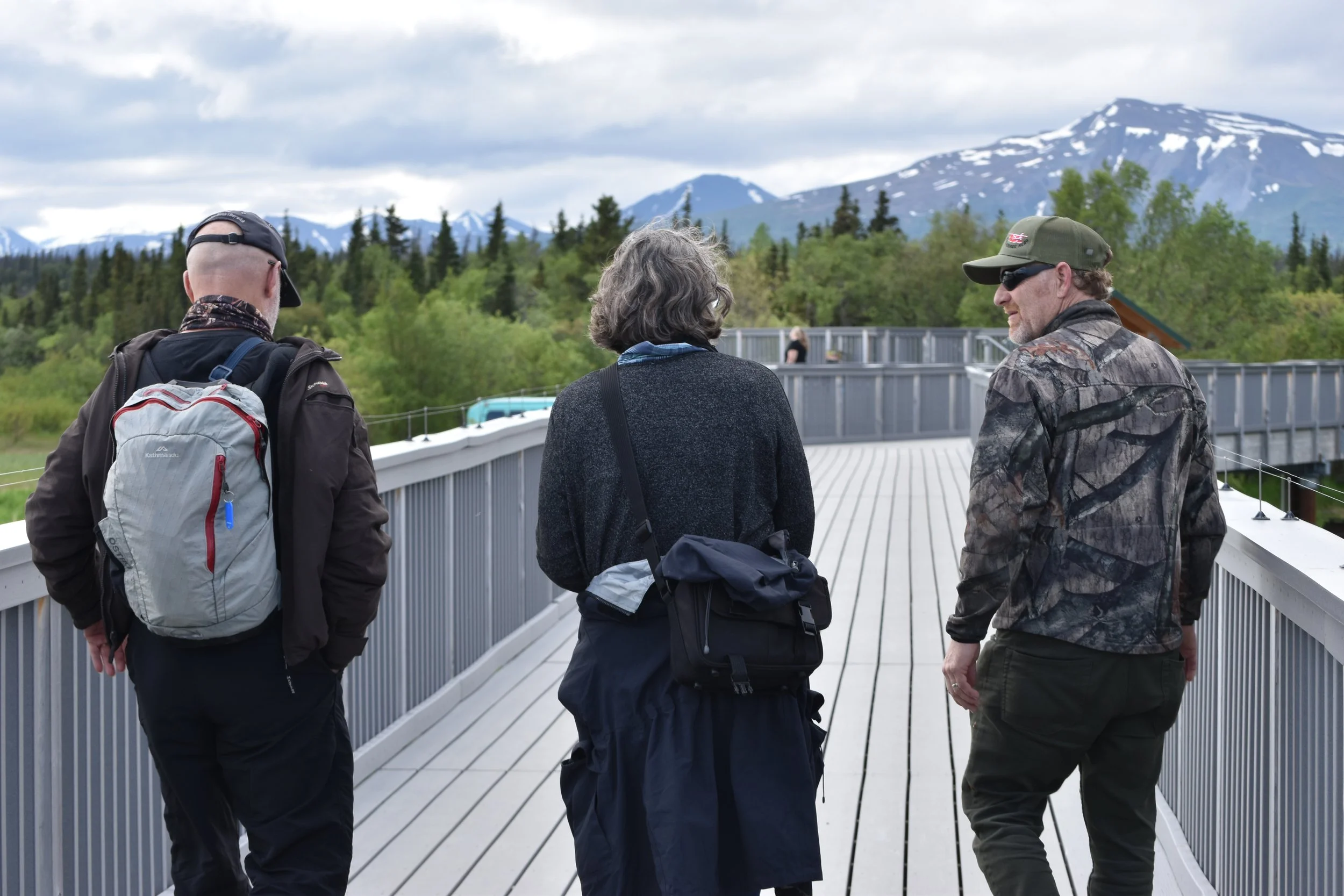
Reaching the viewing platforms involves a scenic walk through the forest and boardwalk pathways. The most visited platform, Brooks Falls, is located approximately 1.2 miles from the lodge. This results in approximately 2.4 miles round-trip, excluding the time spent accessing other viewing spots.
The trail includes dirt paths, elevated walkways, and occasionally muddy areas. Because bears also use these trails, visitors should expect occasional delays during bear jams. While parts of Brooks Camp are accessible, not all areas can accommodate wheelchairs or travelers with limited mobility. Floatplane boarding typically requires a step from the dock into the aircraft, and while assistance is available, it may be limited.
What to Expect at the Viewing Platforms
Brooks Falls features multiple platforms, each offering a unique vantage point for observing bear behavior.
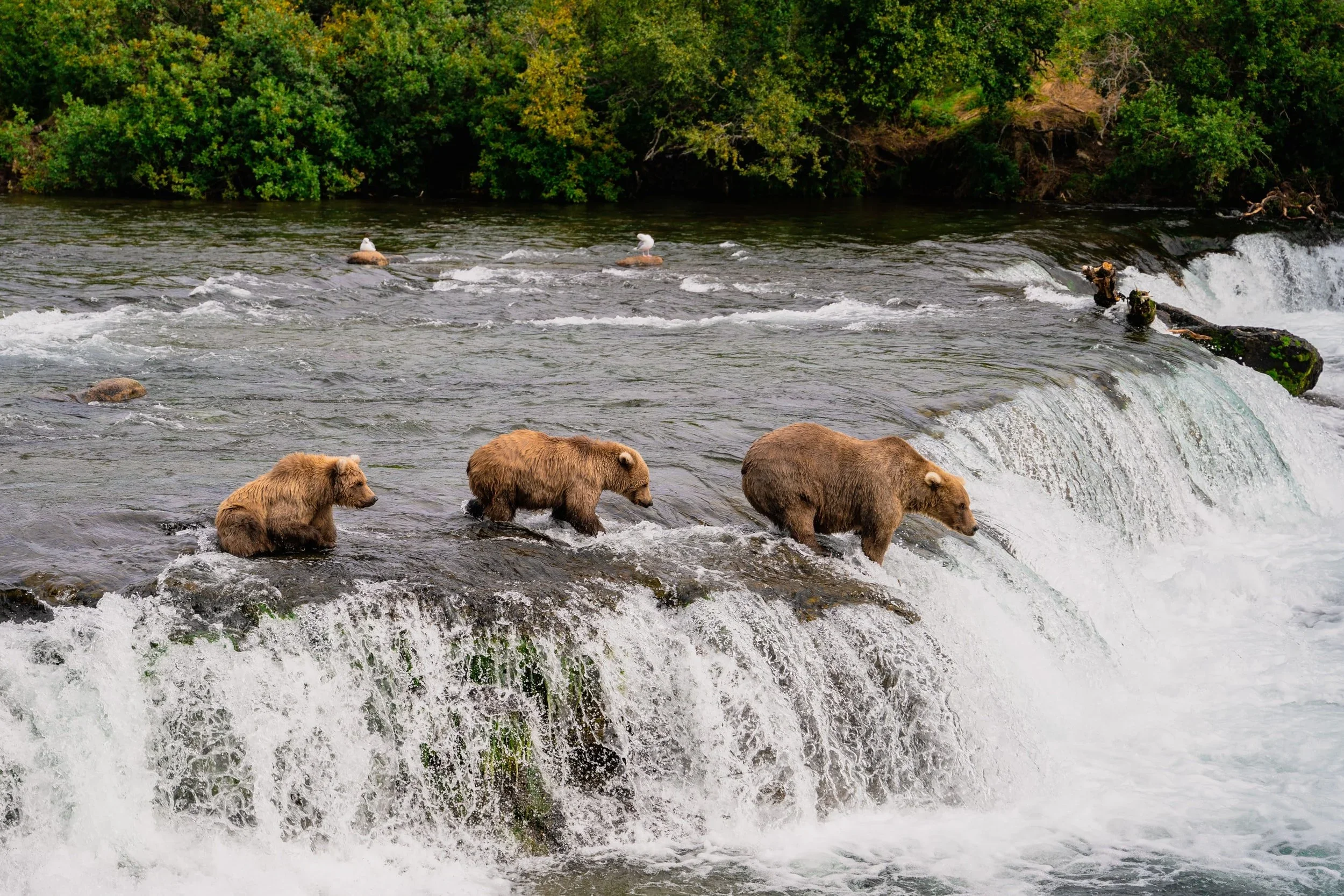
The Falls Platform, famous for salmon-catching action, is the most popular. During peak season, visitors rotate through 30-minute timed sessions to ensure a fair viewing experience for everyone. The Riffles Platform, just downstream, allows guests to watch bears approach the falls and observe mothers with cubs. Further downriver, the Lower River Platforms offer excellent early-season viewing and a more spacious experience.
Crowding is typical, especially during July, but the rotation system ensures everyone gets a chance to experience the falls.
What to Pack for Your Katmai Adventure
Weather at Katmai can shift rapidly, and conditions may be wet, muddy, or buggy depending on the time of year.
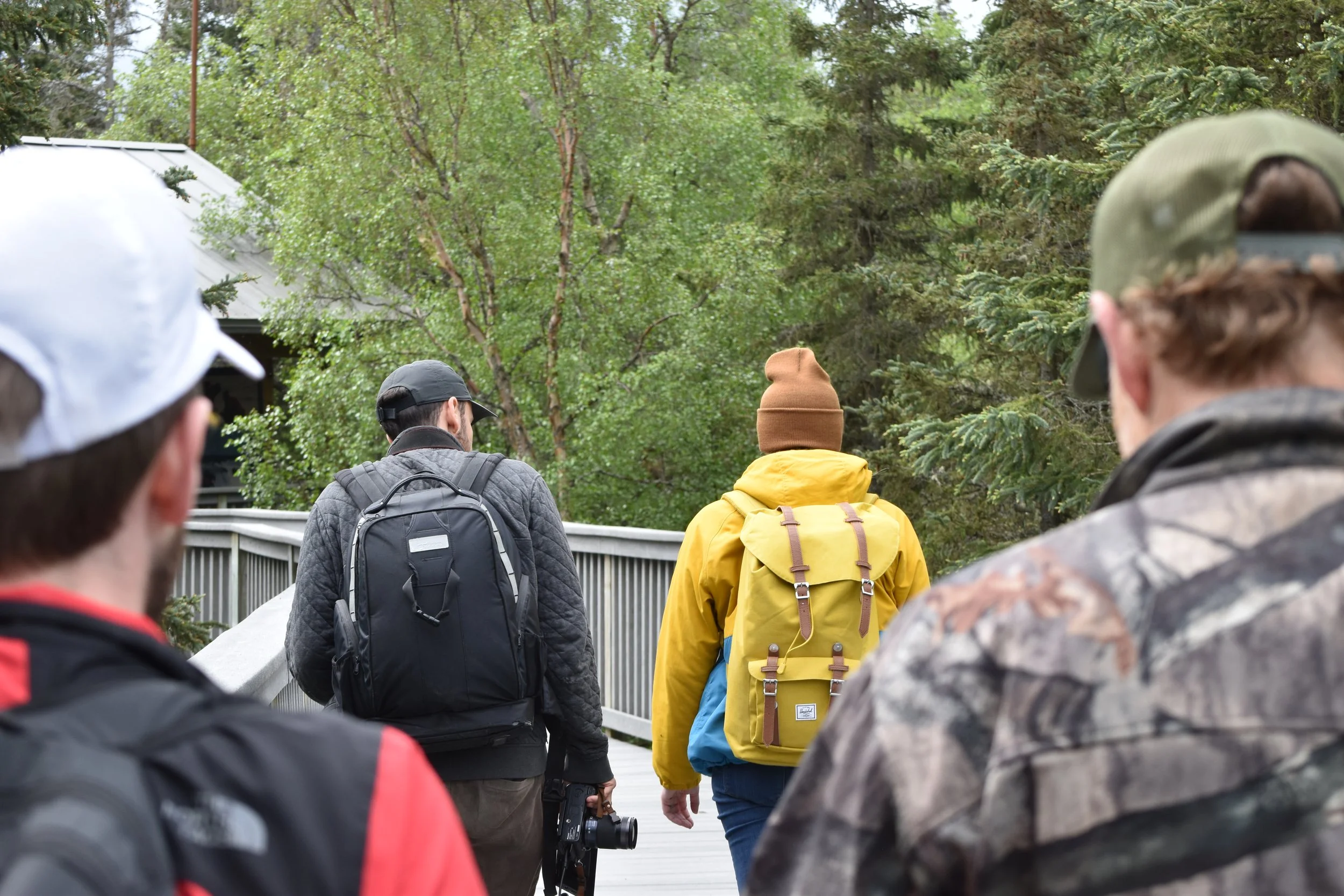
Comfortable walking shoes, layered clothing, a lightweight rain jacket, sun protection, and bug protection are essential. Photographers should prepare for moisture and insects by bringing protective gear, spare batteries, and memory cards. Since you’ll spend several hours outdoors, a small backpack with water and personal essentials is a helpful addition. Lunch is provided* at Brooks Lodge; however, snacks are permitted in designated areas.
*If you book our Late Fall Season Bear Viewing Tour, lunch will NOT be provided, as the lodge will be closed, so be sure to pack your own!
Photography Tips from the Experts
Brooks Falls is a dream destination for photographers, whether you’re shooting professionally or simply capturing memories.
A versatile zoom lens helps capture both distant and close-action scenes. Flash photography is prohibited for safety reasons, and some platforms enforce tripod restrictions during crowded periods. Because the environment may be damp or buggy, protecting your camera gear is essential—rain covers, lens wipes, and insect repellent go a long way. Extra batteries are also a smart idea, as cooler temperatures can drain them faster than expected.
The Typical Timeline of Your Day Trip
Most Fly Katmai trips follow a consistent and easy-to-navigate schedule.
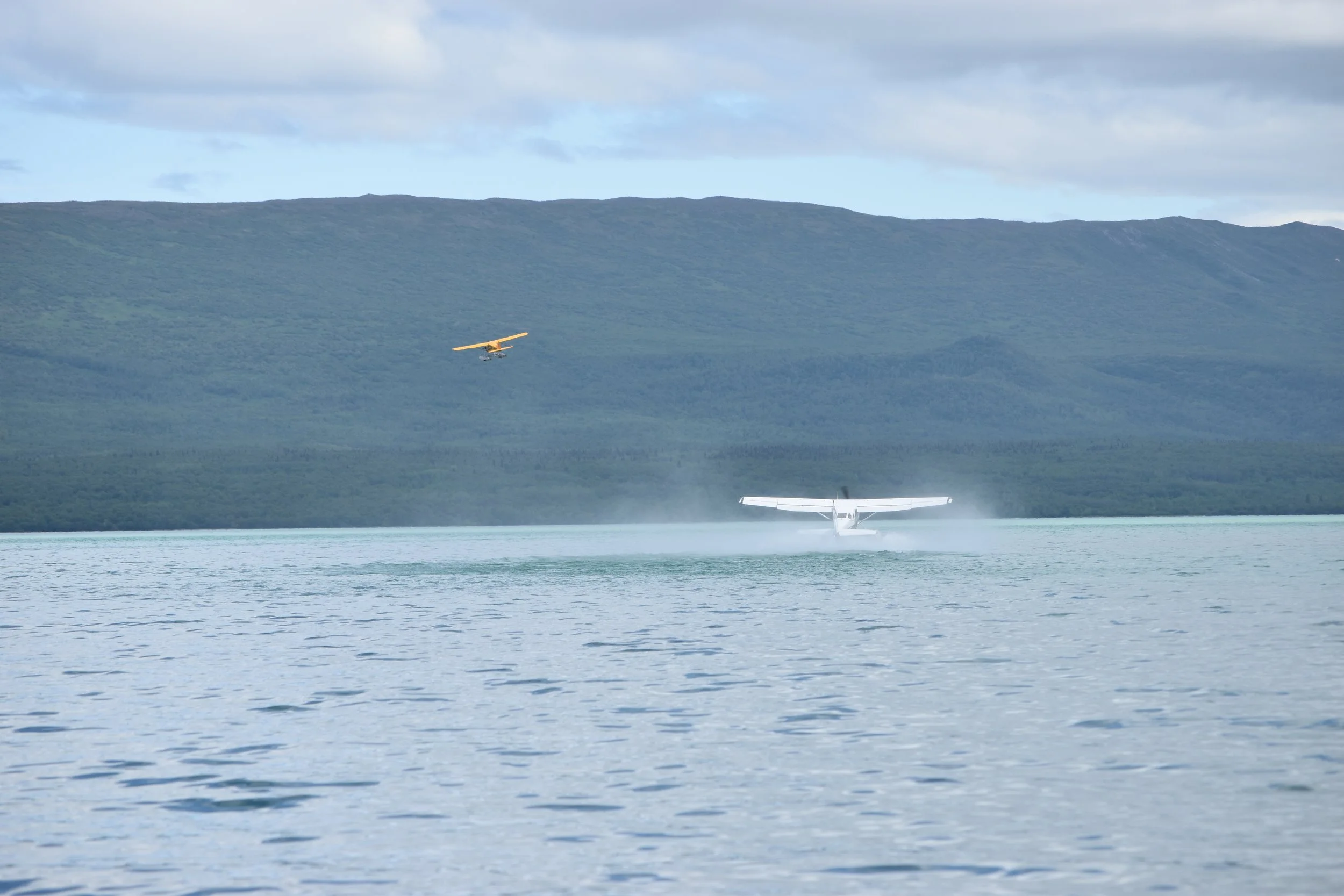
Your day begins at Lake Hood with check-in and a safety briefing. From there, you’ll board a scenic floatplane for a breathtaking flight across volcanic terrain, glacial lakes, and the rugged Alaska Peninsula. Upon landing at Brooks Camp, you’ll complete the mandatory Bear Orientation before making your way to the viewing platforms.
Guests typically spend several hours watching bears fish, spar, explore the river, and interact with each other. Lunch is served* at Brooks Lodge before an afternoon of additional viewing. In the late afternoon, you’ll meet your pilot for the return flight to Anchorage, arriving back at Lake Hood in the early evening.
For more detailed logistical information, visit our Comprehensive FAQ Hub.
*If you book our Late Fall Season Bear Viewing Tour, lunch will NOT be provided, as the lodge will be closed, so be sure to pack your own!
Weather & Seasonal Expectations
Katmai’s seasons shape bear behavior and influence visitor experience.
In June, the early arrival of salmon brings rising activity and excellent viewing opportunities for first-time travelers. July is peak season, known for the iconic scenes of bears catching salmon mid-leap at the falls. By August and September, bears shift into heavy feeding patterns as they prepare for winter, and autumn colors transform the landscape.
Off-Season Planning for 2026 Travelers
If you’re reading this in fall or winter, you’re already ahead of most planners. Off-season is the best time to secure ideal dates, research your preferred time of year, and prepare for the January 1 booking launch.
Ready to Plan Your 2026 Adventure?
Whether this is your first visit or a long-awaited return, early preparation ensures the most rewarding experience. Your Katmai adventure begins the moment you start planning—let us help you create a trip you’ll never forget.
Browse availability and reserve your date through our booking tool. Or, if you have more questions, be sure to check out our FAQ Page!